

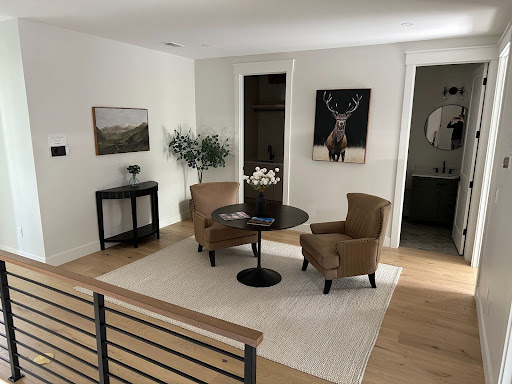
Most homeowners begin planning a custom home or major renovation by focusing on how they want the finished space to look. They collect images of kitchens, bathrooms, lighting fixtures, and exterior styles. Inspiration boards fill quickly, and decisions about finishes often happen early in the process.
While visual inspiration has its place, homes designed primarily from the outside in frequently struggle to deliver long-term satisfaction. They may look impressive at first glance but feel awkward, inefficient, or frustrating to live in over time. In contrast, the most successful high-end homes follow a different philosophy.
They are designed from the inside out.
Inside-out design prioritizes how a home functions, flows, and supports daily life before aesthetics are finalized. This approach is foundational to truly high-quality residential construction and is one of the clearest distinctions between surface-level luxury and lasting, livable design.
What Inside-Out Design Really Means
Designing from the inside out does not mean ignoring aesthetics or architectural expression. It means sequencing decisions intentionally.
The process begins by understanding how homeowners live, how they move through their space, and how their needs may evolve over time. Only after these functional questions are answered does the design begin to take visual form.
Inside-out design treats finishes as a layer applied to a well-considered framework rather than a driving force. The result is a home that feels intuitive, balanced, and deeply personal rather than forced or trend-driven.
Homes Are Lived In, Not Looked At
A home is experienced moment by moment. How easy it is to move from room to room, how natural daily routines feel, and how well spaces support both activity and rest all shape a homeowner’s satisfaction far more than surface-level design choices.
Homes designed from the outside in often prioritize symmetry, curb appeal, or dramatic visual statements without fully considering how those decisions affect daily life. This can lead to layouts that look impressive but introduce friction into everyday routines.
Inside-out design reverses that priority. It asks how the home will be lived in first and allows the architecture to respond to those needs.
Understanding Daily Routines as a Design Tool
Inside-out design starts with a detailed understanding of daily life. This includes how mornings begin, how evenings unfold, how weekends differ from weekdays, and how spaces are used throughout the year.
For example, a family that values cooking and entertaining may require a kitchen that functions as a true gathering space rather than a showpiece. A homeowner who works remotely may need separation between work and living areas that goes beyond a desk in a spare room.
These considerations shape room placement, circulation, and spatial relationships long before finishes are selected.
Flow and Circulation Define Comfort
One of the most overlooked aspects of residential design is circulation. Flow determines how people move through a home and how spaces relate to one another.
Poor circulation can make even large homes feel cramped or confusing. Long hallways, awkward transitions, and congested paths disrupt daily routines and reduce comfort.
Inside-out design emphasizes logical, efficient circulation. Primary pathways are clear and intuitive. Secondary routes are functional without intruding on living spaces. Movement through the home feels natural rather than forced.
When circulation is well designed, homeowners rarely notice it. They simply experience a sense of ease.
The Importance of Entry Sequences
The way a home is entered sets the tone for the entire experience. Inside-out design treats entry sequences as intentional moments rather than afterthoughts.
This includes transitions from exterior to interior, public to private, and active to quiet spaces. A well-designed entry provides a sense of arrival while maintaining privacy and control.
Rather than opening directly into living spaces without transition, inside-out design often incorporates buffers that help organize movement and establish hierarchy within the home.
Room Relationships Matter More Than Size
In many homes, rooms are sized generously but poorly related. Large spaces alone do not create comfort or functionality.
Inside-out design focuses on how rooms connect to one another. Kitchens should relate logically to dining and living areas. Bedrooms should be positioned to minimize noise and disruption. Service spaces should be accessible without dominating circulation.
These relationships allow a home to function smoothly without excessive square footage.
Designing Kitchens as Working Spaces
Kitchens are often the most heavily used spaces in a home, yet they are frequently designed primarily as visual statements.
Inside-out design treats kitchens as working environments first. Layouts are planned around movement, storage, workflow, and visibility. Appliance placement, counter spacing, and access to adjacent spaces are carefully considered.
When kitchens are designed around function, they become natural gathering spaces that support both daily routines and entertaining without feeling cluttered or chaotic.
Living Spaces That Support Different Uses
Living areas serve multiple purposes throughout the day. They may host gatherings, provide quiet retreat, or serve as informal workspaces.
Inside-out design anticipates these shifts. Furniture layouts, circulation paths, and lighting strategies are planned to accommodate different uses without reconfiguration.
This flexibility allows living spaces to adapt naturally rather than feeling overdesigned or rigid.
Bedrooms Designed for Rest and Privacy
Bedrooms should provide separation from activity and noise. Inside-out design prioritizes placement, orientation, and acoustic considerations to support rest.
Rather than positioning bedrooms based solely on exterior symmetry, they are located where privacy, light, and quiet can be controlled.
Primary suites are designed as true retreats, with thoughtful transitions between sleeping, bathing, and dressing areas.
Bathrooms as Functional Environments
Bathrooms in high-end homes are often treated as design showcases. Inside-out design ensures that functionality matches visual appeal.
This includes clear circulation, appropriate clearances, practical storage, and durable materials suited to daily use.
When bathrooms are designed around function first, they remain comfortable and efficient long after trends change.
Designing for Natural Light With Purpose
Natural light profoundly affects how a home feels. Inside-out design considers orientation and daylight patterns early in the planning process.
Rooms are positioned based on how they are used throughout the day. Morning light in bedrooms, balanced light in workspaces, and controlled light in media areas all contribute to comfort.
Window placement supports function rather than symmetry alone, creating interiors that feel alive and responsive.
Managing Privacy Without Isolation
Open-concept design is often associated with luxury, but openness without control can undermine comfort.
Inside-out design balances openness with intentional separation. Sightlines are managed, zones are defined, and transitions provide subtle boundaries.
This approach allows connection without sacrificing privacy.
Acoustics as a Design Consideration
Sound travels through homes in predictable ways. Inside-out design accounts for acoustics when planning layouts.
Noisy spaces are separated from quiet ones. Mechanical systems are located thoughtfully. Materials are selected to manage sound transmission.
These decisions contribute significantly to long-term comfort.
Flexibility for Changing Needs
Homes that are designed from the inside out are inherently adaptable. Spaces are not locked into single functions.
Guest rooms can become offices. Playrooms can evolve into media spaces. Main-level living options support aging in place.
This flexibility extends the functional lifespan of the home.
Storage as Infrastructure
Storage is often underestimated in design. Inside-out design treats storage as essential infrastructure.
Closets, pantries, and utility spaces are planned intentionally to support daily life without clutter.
Well-designed storage reduces visual noise and increases usability throughout the home.
Mechanical and Infrastructure Integration
Mechanical systems, electrical layouts, and plumbing infrastructure are planned alongside spatial design rather than layered in afterward.
This integration ensures efficient operation, serviceability, and future adaptability.
Homes designed this way avoid conflicts between systems and living spaces.
Finishes as the Final Layer
Once function, flow, and infrastructure are resolved, finishes can be selected with confidence.
Because the underlying design is sound, finishes enhance rather than compensate. They can change over time without undermining the integrity of the home.
This approach leads to homes that remain relevant and enjoyable long after initial completion.
Collaboration Makes Inside-Out Design Possible
Inside-out design requires collaboration between homeowners, designers, and builders. It depends on experience, listening, and problem-solving.
Builders who understand this approach guide clients through decisions that shape long-term satisfaction rather than short-term appeal.
The result is a home that feels intentional, livable, and deeply aligned with the homeowner’s lifestyle.
Why Inside-Out Design Defines True Luxury
True luxury is not defined by how a home photographs or how closely it follows trends. It is defined by how well it supports daily life, adapts to change, and continues to feel right over time.
Homes designed from the inside out deliver comfort, clarity, and confidence. They work quietly in the background, allowing homeowners to focus on living rather than compensating for design shortcomings.
This philosophy is what separates homes that merely look impressive from homes that truly endure.