

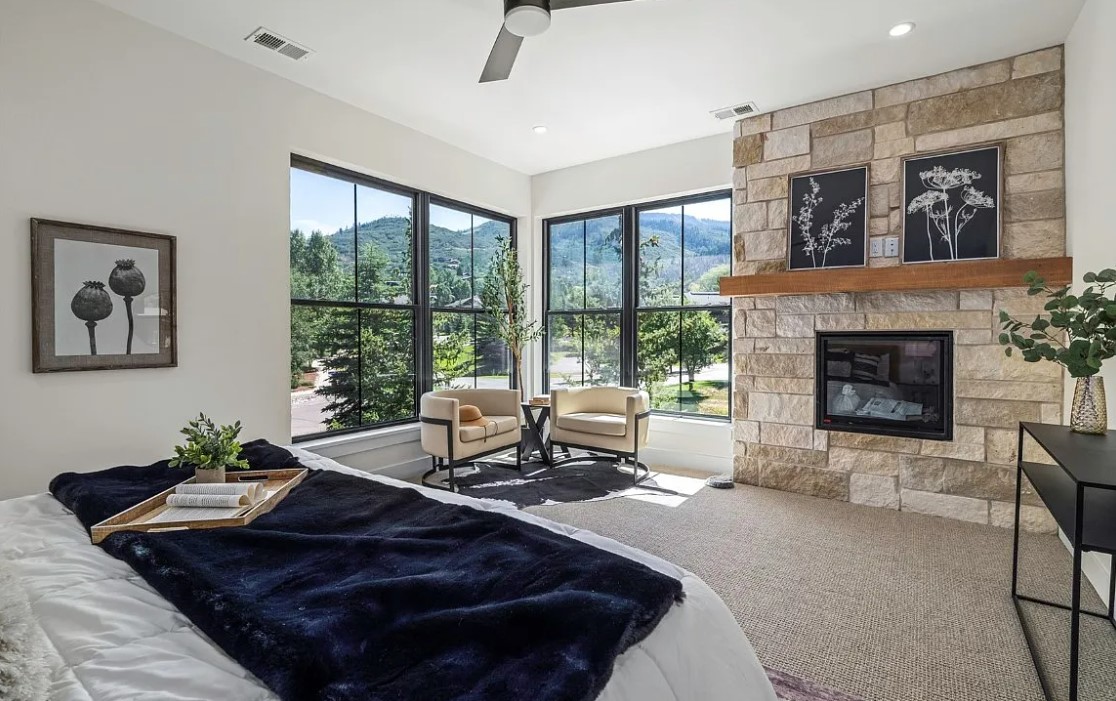
When homeowners begin planning a high-end remodel, one of the first assumptions is that a larger budget automatically leads to a better outcome. In reality, that is not always the case. Luxury remodeling is not just about how much you spend. It is about where you spend it.
In today’s Denver market, homeowners are more informed than ever. They are not only thinking about aesthetics, but also long-term value, functionality, and how their home will perform over time. The difference between a well-executed high-end remodel and one that falls short often comes down to strategic decision-making.
Some upgrades dramatically improve how a home lives and how it holds value. Others look impressive at first but fail to deliver meaningful returns. Understanding the difference is what separates a smart investment from an expensive mistake.
This guide will walk through where to invest in a high-end remodel, where to be cautious, and how to think like a builder when making decisions about your home.
What “High-End” Really Means in Remodeling
Before diving into specific investments, it is important to define what high-end remodeling actually means.
Many homeowners associate luxury with premium finishes such as marble countertops, designer fixtures, or custom cabinetry. While those elements do matter, they are only part of the equation.
True high-end remodeling is built on three pillars:
- Functionality
- Durability
- Timeless design
A home that looks beautiful but does not function well will quickly become frustrating to live in. A home with trendy finishes but poor construction will not age well. And a home that prioritizes appearance over structure will eventually require costly corrections.
The most successful remodels balance form and function while focusing on long-term livability.
High-Impact Investments That Deliver Real Value
Not all upgrades are created equal. Certain areas of a home consistently provide the highest return, both in daily use and long-term value.
1. Kitchen Layout and Functionality
The kitchen remains the centerpiece of most homes. In high-end remodeling, it is not just about how the kitchen looks, but how it works.
A common mistake is focusing too heavily on finishes while ignoring layout. Expensive countertops and custom cabinets will not compensate for a poorly designed kitchen.
High-impact kitchen investments include:
- Reworking the layout for better flow
- Expanding the kitchen footprint if possible
- Adding functional storage solutions such as deep drawers and hidden organizers
- Upgrading to high-quality appliances that support how you actually cook
- Improving lighting with layered solutions including task and ambient lighting
In Denver homes, especially older properties, kitchens often benefit from opening up walls to create a more connected living space. This type of structural change has a much greater impact than simply replacing surfaces.
A well-designed kitchen improves everyday life and significantly increases a home’s appeal to future buyers.
2. Primary Suite Transformation
The primary suite has become a major focus in high-end remodeling. Homeowners are prioritizing comfort, privacy, and a sense of retreat within their own homes.
Investing in the primary suite often includes:
- Expanding the bedroom for better proportions
- Creating a spa-like bathroom with thoughtful layout and high-quality materials
- Adding or improving a walk-in closet with custom storage
- Enhancing natural light and views
In many Denver homes, especially those built decades ago, primary suites were not originally designed with modern expectations in mind. Upgrading this space can completely change how the home feels.
A well-executed primary suite adds both emotional value and strong resale appeal.
3. Structural and Layout Improvements
One of the most overlooked areas in remodeling is structural work. Many homeowners hesitate to invest in changes that are not immediately visible, but these are often the upgrades that have the biggest impact.
Examples include:
- Removing walls to create open-concept living spaces
- Raising ceilings or adding architectural features
- Reconfiguring floor plans for better flow
- Improving transitions between indoor and outdoor spaces
In Denver, where views and natural light are highly valued, opening up a home can dramatically improve both livability and perceived value.
These changes require careful planning and experienced builders, but they are often the foundation of a truly high-end remodel.
4. Windows, Doors, and Natural Light
Natural light plays a critical role in how a home feels. Upgrading windows and doors is one of the most impactful investments you can make.
High-quality windows and doors offer:
- Improved energy efficiency
- Better insulation for Colorado’s climate
- Enhanced views and connection to the outdoors
- Increased comfort throughout the year
Large sliding or folding glass doors that open to outdoor spaces are especially popular in high-end Denver homes. They create a seamless indoor-outdoor experience that adds both beauty and functionality.
This is an area where quality matters. Lower-end products may look similar at first but often fail to perform over time.
5. Outdoor Living Spaces
In Denver, outdoor living is a major part of the lifestyle. Investing in well-designed outdoor spaces can significantly enhance how a home is used.
High-impact outdoor upgrades include:
- Covered patios or decks
- Outdoor kitchens or entertaining areas
- Fire features and seating areas
- Landscaping that complements the home’s design
These spaces extend the usable square footage of the home and create opportunities for gathering and relaxation.
A thoughtfully designed outdoor area can feel like an extension of the interior, especially when connected through large doors and consistent materials.
6. Energy Efficiency and Building Performance
High-end remodeling is increasingly focused on performance. Homeowners are recognizing the value of energy efficiency, comfort, and long-term savings.
Key investments in this area include:
- High-performance insulation
- Advanced HVAC systems
- Energy-efficient windows and doors
- Smart home systems for climate control
In Colorado’s varied climate, these upgrades can make a noticeable difference in comfort and operating costs.
While they may not be as visually striking as other features, they contribute significantly to the overall quality of the home.
Where Homeowners Often Overspend
Just as there are smart investments, there are also areas where homeowners frequently allocate too much of their budget without seeing meaningful returns.
Understanding these pitfalls can help you make more balanced decisions.
1. Overly Trendy Finishes
Design trends come and go quickly. What feels current today may look dated in just a few years.
Common examples include:
- Highly specific color palettes
- Bold patterns that dominate a space
- Niche design styles that do not appeal broadly
While it is important for your home to reflect your personal style, leaning too heavily into trends can limit long-term appeal.
A better approach is to use timeless materials as a foundation and incorporate trends through elements that are easier to update, such as decor or paint.
2. Excessive Customization in Low-Impact Areas
Custom work can add value, but not all customization is worth the cost.
Homeowners sometimes invest heavily in:
- Highly specialized built-ins
- Unique design features that do not improve functionality
- Custom elements in spaces that are rarely used
These upgrades may feel luxurious, but they often do not translate into everyday benefits or increased resale value.
Focus customization on areas that you interact with daily.
3. Prioritizing Appearance Over Function
It is easy to get caught up in how a space looks, especially with the influence of social media and design platforms.
However, a home that looks good but does not function well will quickly become frustrating.
Examples include:
- Kitchens with limited storage
- Bathrooms with poor layout
- Living spaces that do not accommodate how you actually use them
Function should always come first. A well-designed space will naturally look better because it works better.
4. Low-Quality Materials That Mimic High-End Looks
Trying to achieve a luxury look with lower-quality materials can backfire.
While some materials may appear similar at first, they often:
- Wear out more quickly
- Require more maintenance
- Fail to deliver the same performance
In high-end remodeling, it is better to invest in fewer, higher-quality elements than to spread the budget thin across lower-end finishes.
The Difference Between Visual Luxury and Functional Luxury
One of the most important concepts in high-end remodeling is understanding the difference between visual luxury and functional luxury.
Visual luxury is what you see. It includes finishes, colors, and design details.
Functional luxury is what you experience. It includes how a space flows, how comfortable it feels, and how well it supports your lifestyle.
Examples of functional luxury include:
- A kitchen that makes cooking and entertaining effortless
- A bathroom that feels relaxing and well-organized
- A home that maintains consistent temperature year-round
- Spaces that adapt to your needs over time
The most successful remodels prioritize functional luxury first, then layer in visual elements.
How Denver Buyers Evaluate High-End Homes
Even if you are not planning to sell immediately, it is important to understand how buyers in the Denver market think.
High-end buyers tend to look for:
- Thoughtful layout and flow
- Quality construction and materials
- Energy efficiency and performance
- Connection to outdoor spaces
- Timeless design
Homes that check these boxes are more likely to hold value and attract strong interest.
On the other hand, homes that prioritize surface-level upgrades without addressing underlying issues may struggle to stand out.
Thinking Long-Term: Value Beyond Resale
While resale value is an important consideration, it should not be the only factor guiding your decisions.
A high-end remodel is also about improving your daily life.
Ask yourself:
- Will this upgrade make my home more comfortable?
- Will it improve how I use the space every day?
- Will it still feel relevant in five or ten years?
Investments that enhance your quality of life often provide the greatest overall return.
How to Approach Your Remodel Strategically
A successful high-end remodel starts with a clear strategy.
Key steps include:
Define Your Priorities
Understand what matters most to you. Is it entertaining, relaxation, functionality, or long-term value?
Your priorities should guide every decision.
Work With an Experienced Builder
An experienced builder can help you identify where to invest and where to save.
They bring a practical perspective that balances design, budget, and construction realities.
Focus on the Big Picture
It is easy to get lost in small details. Keep your focus on the overall vision of the home.
Major improvements to layout, structure, and performance will have a greater impact than minor design choices.
Plan for the Future
Consider how your needs may change over time.
A flexible, well-designed home will continue to serve you as your lifestyle evolves.
Final Thoughts
A high-end remodel is a significant investment, but it is also an opportunity to transform how you live in your home.
The key is not just spending more, but spending wisely.
By focusing on high-impact areas such as layout, functionality, natural light, and building performance, you can create a home that feels truly elevated.
At the same time, avoiding common pitfalls such as over-customization and trend-driven decisions will help ensure your investment stands the test of time.
In the end, the most successful remodels are not defined by how much was spent, but by how well the home works, feels, and endures.
If you are considering a high-end remodel in Denver, taking a strategic approach from the beginning will set the foundation for a result that delivers lasting value.