

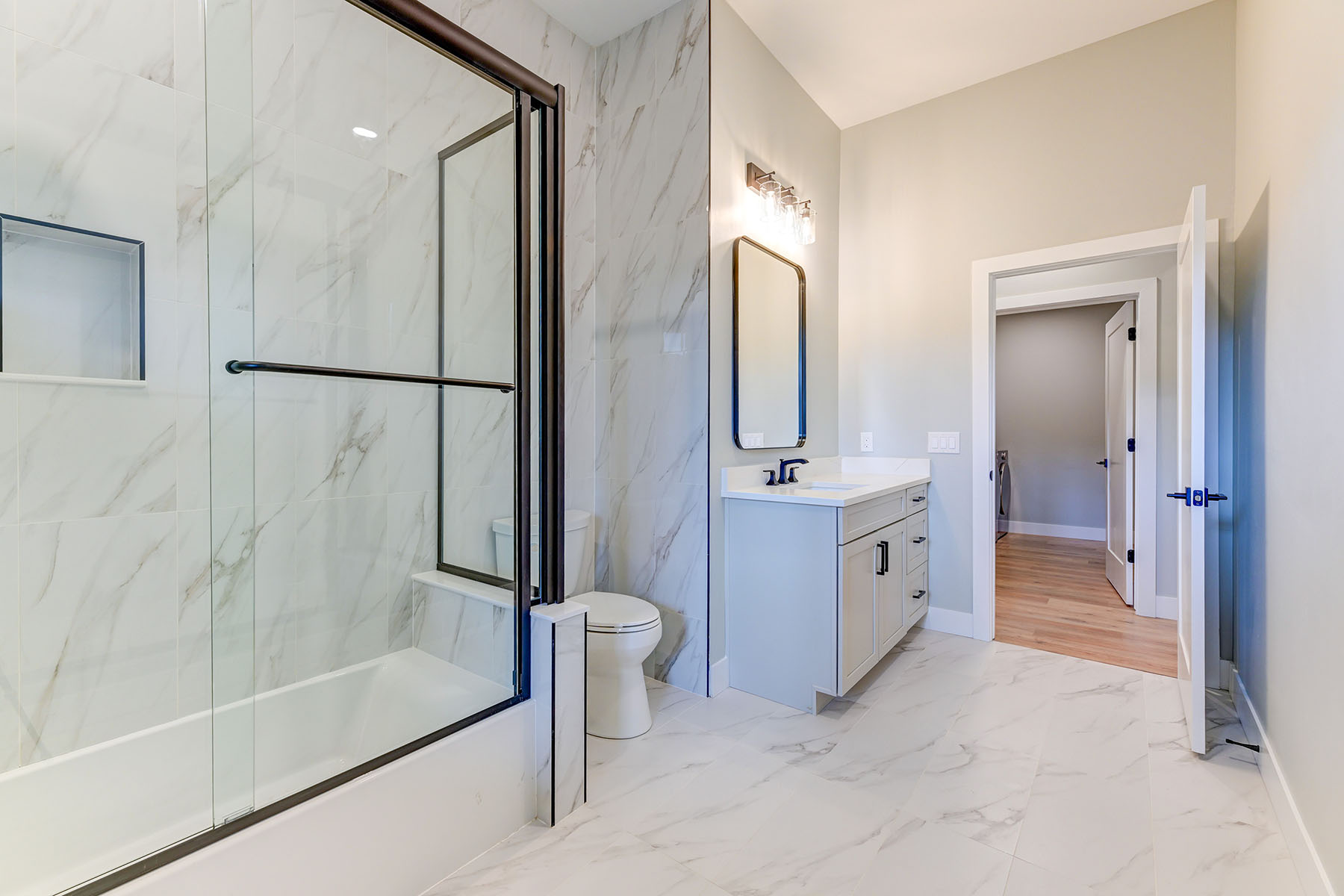
When homeowners begin planning a major remodel or custom home project, most of their attention naturally focuses on the finished result. They imagine the new kitchen, the expanded living space, the improved layout, and the details that will transform their home into something better suited to their lifestyle.
While these outcomes are important, the success of a remodeling project depends on something that often receives far less attention at the beginning of the process. That factor is the relationship between the homeowner and the builder.
A remodeling project is not simply a transaction. It is a collaborative process that unfolds over many months and involves hundreds of decisions, adjustments, and coordinated efforts. The most successful projects share one key characteristic. They are built on a strong partnership between homeowners and the professionals guiding the construction process.
When communication is clear, expectations are aligned, and trust is established early, the entire experience becomes more productive and more enjoyable. The finished result reflects not only good design and craftsmanship but also the strength of the collaboration behind it.
Understanding how this partnership works can help homeowners approach their project with confidence and clarity.
Remodeling Is a Collaborative Process
Unlike purchasing a completed home, remodeling requires active participation from both homeowners and builders. Each side brings a different form of expertise to the table.
Homeowners understand how they live. They know which spaces feel cramped, which routines feel inefficient, and which areas of the home need improvement. Their vision guides the direction of the project.
Builders bring a different perspective. They understand construction systems, structural limitations, material performance, and the sequencing required to turn design ideas into physical reality.
When these two perspectives work together, the project becomes stronger.
Homeowners provide insight into their lifestyle and priorities. Builders translate those priorities into practical solutions that can be constructed safely, efficiently, and with long term durability.
The best remodeling projects feel like a shared effort rather than a one sided process.
Clear Goals Create a Strong Foundation
Every successful remodeling project begins with clear goals.
Homeowners often start the process with a general sense that something about their home is not working the way it should. Perhaps the kitchen feels isolated from the rest of the house. Maybe the layout no longer fits the needs of a growing family. In other cases, homeowners simply want their home to feel more comfortable and modern.
Turning these general ideas into clear goals is an important first step.
A productive conversation between homeowner and builder often includes questions such as:
- What areas of the home feel most limiting right now?
- How do you want your home to function differently after the remodel?
- Which spaces are most important to improve?
- What long term needs should the project address?
These discussions help define the direction of the project before design work begins.
When goals are clearly defined, every decision that follows becomes easier. Layout changes, material selections, and design priorities can all be evaluated against the same set of objectives.
This clarity prevents unnecessary complications and keeps the project focused on meaningful improvements.
Trust Plays a Central Role
Trust is one of the most important ingredients in any homeowner builder relationship.
Construction projects involve complex decisions that homeowners may not encounter in their everyday lives. Structural considerations, material performance, scheduling coordination, and building code requirements all play a role in shaping the project.
Homeowners rely on their builder to guide them through these complexities.
At the same time, builders rely on homeowners to provide honest feedback about their preferences, priorities, and concerns.
When trust exists on both sides, communication becomes more open and productive. Homeowners feel comfortable asking questions and expressing their ideas. Builders can provide professional recommendations with confidence.
This mutual respect allows the project to move forward smoothly even when challenges arise.
Communication Prevents Problems
One of the most common sources of frustration in remodeling projects is poor communication.
Construction involves many moving parts. Architects, designers, subcontractors, material suppliers, and inspectors all play a role at different stages of the process. Without clear communication, it is easy for misunderstandings to occur.
Strong partnerships prioritize consistent communication from the beginning.
This includes:
- Regular project updates
- Clear explanations of upcoming phases
- Transparent discussion of timelines
- Honest conversations about potential challenge
When homeowners understand what is happening and why certain decisions are being made, they feel more confident throughout the process.
Likewise, when builders receive timely feedback from homeowners, they can make adjustments before small issues grow into larger complications.
Communication keeps everyone aligned.
Decision Making Is Part of the Process
Remodeling projects require a surprising number of decisions.
While homeowners often focus on major choices such as layout and appliances, many smaller details must also be addressed. Cabinet hardware, lighting fixtures, tile patterns, paint colors, and trim details all contribute to the finished result.
Successful projects approach these decisions in an organized way.
Builders and designers typically guide homeowners through a structured process that prioritizes decisions based on the construction timeline.
For example, structural decisions must be finalized early in the project. Finish selections can often occur later once the space begins to take shape.
When homeowners remain engaged in this process and make decisions within the necessary timeframe, the project moves forward efficiently.
Delayed decisions can create scheduling challenges and slow progress. Clear communication and preparation help prevent these issues.
Flexibility Helps Navigate the Unexpected
Even the most carefully planned remodeling project can reveal unexpected conditions once construction begins.
Older homes often contain hidden surprises behind walls and ceilings. Structural elements, outdated wiring, or previous modifications may only become visible after demolition begins.
Experienced builders anticipate this possibility and approach it with problem solving in mind.
Homeowners who maintain flexibility during these moments help keep the project moving forward. Instead of viewing adjustments as setbacks, they become opportunities to refine the plan and improve the outcome.
A strong partnership allows both sides to address these situations calmly and constructively.
Respecting the Construction Process
Remodeling is a detailed and highly coordinated effort. Each stage of construction must occur in the proper sequence for the project to succeed.
Demolition leads to framing. Framing supports electrical and plumbing work. Mechanical systems must be installed before drywall can be completed. Finishes come only after structural work is finalized.
When homeowners understand this sequence, the construction process becomes easier to follow.
Builders play an important role in explaining these phases and helping homeowners understand how progress unfolds over time.
Respecting the construction process also means recognizing that quality craftsmanship requires careful attention. Skilled tradespeople focus on precision and durability rather than rushing through tasks.
This attention to detail ultimately leads to better results.
Transparency Builds Confidence
Transparency is another hallmark of successful homeowner builder partnerships.
Remodeling projects involve many variables including material costs, labor coordination, and scheduling considerations. Honest conversations about these factors help homeowners feel informed and confident in the process.
Transparency often includes:
- Clear project estimates
- Detailed scopes of work
- Open discussion of budget priorities
- Regular progress updates
When homeowners understand how their investment is being allocated, they are better equipped to make thoughtful decisions throughout the project.
Builders who prioritize transparency help create an atmosphere of trust and professionalism.
Shared Commitment to Quality
Quality is a shared responsibility.
Builders bring technical skill and craftsmanship to the construction process. Homeowners contribute by prioritizing materials and design choices that support durability and performance.
When both sides share a commitment to quality, the final result reflects careful attention at every stage.
This might include selecting materials that age well, investing in strong structural improvements, or choosing design features that enhance long term functionality.
A remodeling project is a significant investment. When quality remains a central priority, that investment continues to deliver value for many years.
Setting Realistic Expectations
Another important element of a successful partnership is setting realistic expectations.
Remodeling projects involve many variables, and timelines can be influenced by factors such as permitting, inspections, and material availability.
Builders help homeowners understand what to expect during each phase of construction. This includes the normal disruptions that may occur when a home is under renovation.
Noise, dust, temporary adjustments to living arrangements, and shifting schedules are all part of the process.
When homeowners enter the project with clear expectations, they are better prepared to navigate these temporary inconveniences.
The Emotional Side of Remodeling
Remodeling is not just a technical process. It is also an emotional one.
Homes hold personal meaning. They are the places where families gather, routines unfold, and memories are created. Changing these spaces can bring both excitement and uncertainty.
Builders who recognize this emotional dimension approach projects with patience and empathy.
Homeowners who feel supported throughout the process are more comfortable sharing their ideas and concerns.
This open dialogue strengthens the partnership and helps ensure that the final result truly reflects the homeowner’s vision.
Celebrating the Transformation
As construction nears completion, homeowners begin to see the transformation that has taken place.
Spaces that once felt outdated or inefficient now reflect careful design and skilled craftsmanship. Rooms feel brighter, more open, and more aligned with modern living.
At this stage, the partnership between homeowner and builder becomes especially visible.
Every improvement reflects the collaboration that guided the project from the earliest planning conversations through the final finishing touches.
The finished home represents more than a physical renovation. It represents months of shared effort and thoughtful decision making.
Building Relationships That Last
Many homeowners discover that the relationship they develop with their builder continues even after the project is complete.
Remodeling often leads to future improvements, additional phases of renovation, or recommendations to friends and family members who are considering similar projects.
Builders who prioritize long term relationships understand that each project is an opportunity to build trust within the community.
Homeowners who experience a positive remodeling process often feel confident returning to the same team for future work.
These lasting relationships are one of the strongest indicators of a successful partnership.
Why the Right Builder Matters
Choosing the right builder is one of the most important decisions homeowners make when beginning a remodeling project.
Technical skill and craftsmanship are essential, but they are only part of the equation. The builder must also be someone who communicates clearly, listens carefully, and approaches each project with professionalism.
Homeowners benefit from working with a builder who understands the value of collaboration.
A strong partnership allows the project to move forward with clarity, confidence, and shared purpose.
A Partnership That Shapes the Outcome
Remodeling a home is a journey that involves many decisions, adjustments, and milestones along the way.
While design ideas and construction techniques play an important role, the relationship between homeowner and builder ultimately shapes the experience.
When that relationship is built on trust, communication, and mutual respect, the entire process becomes more productive.
The finished home reflects not only thoughtful design and quality craftsmanship but also the strength of the partnership that brought it to life.
For homeowners considering a major remodel, understanding this partnership can transform the way they approach the process.
A successful project is not just about building something new. It is about working together to create a home that truly supports the way people live.