

Denver is known for its character-filled neighborhoods, tree-lined streets, and homes that reflect decades of architectural history. Many of the most desirable areas of the city are filled with houses that were built in the 1950s, 60s, and 70s. While these homes often have strong construction and beautiful surroundings, they were designed for a very different way of living.
Families today expect homes to function differently. Kitchens are social spaces. Natural light is a priority. Storage needs have expanded. Technology is part of everyday life. Many older homes simply were not designed with these priorities in mind.
The good news is that older homes often contain incredible untapped potential. With thoughtful planning and a strategic remodel, a house that once felt cramped or outdated can become a modern, highly functional living space that still preserves the charm and location that made it desirable in the first place.
For Denver homeowners, remodeling is often the most powerful way to unlock the hidden value within their property.
Why Older Denver Homes Offer So Much Opportunity
One of the reasons older homes are so appealing is that they are often located in well-established neighborhoods. These communities offer mature trees, proximity to parks, walkable streets, and access to schools and local businesses that newer developments cannot always match.
However, the homes themselves were built during a time when family lifestyles were very different.
Many houses from earlier decades include:
- Closed off kitchens
- Smaller rooms separated by multiple walls
- Limited storage space
- Low ceilings in certain areas
- Minimal natural light
- Underutilized basements
- Outdated mechanical systems
While these characteristics may feel limiting at first, they often represent opportunities rather than problems.
Older homes typically sit on valuable land, and they often have strong structural bones. When paired with modern design, thoughtful layout improvements, and high-quality construction, these properties can be transformed into exceptional living environments.
Instead of starting from scratch, homeowners can build upon what already exists.
The Value of Remodeling Instead of Moving
When homeowners begin to outgrow their space, their first instinct is often to consider moving. While relocating can seem like a simple solution, it is not always the best one.
In Denver’s competitive housing market, finding a new home in a desirable neighborhood can be challenging. Even when homeowners do find a property they like, it may still require updates or renovations to meet their needs.
A strategic remodel allows homeowners to remain in the location they love while shaping their home around their lifestyle.
There are several advantages to remodeling instead of moving.
First, homeowners keep their established neighborhood connections. Schools, parks, local businesses, and community relationships remain intact.
Second, remodeling allows for customization. Instead of adapting to someone else’s design choices, homeowners can create spaces that match their exact needs and preferences.
Third, remodeling can increase long-term property value. Thoughtful upgrades often improve both functionality and market appeal.
For many Denver homeowners, the smartest investment is not leaving their home behind. It is unlocking the potential that is already there.
Rethinking the Layout
One of the most transformative aspects of remodeling older homes is improving the layout.
Earlier floor plans were designed around separation. Kitchens were closed off from living areas. Dining rooms were formal spaces used only occasionally. Hallways divided rooms into smaller compartments.
Modern living tends to prioritize connection and flow.
Many homeowners want spaces that allow family members to interact naturally throughout the day. Cooking, dining, working, and relaxing often happen within shared areas.
Strategic remodeling can open the home without sacrificing structure or character.
Common layout improvements include:
- Opening walls between kitchens and living spaces
- Expanding kitchens to create functional gathering areas
- Reworking hallways to improve circulation
- Connecting indoor spaces with outdoor living areas
- Improving visual lines across the home
These changes can make a home feel dramatically larger and more welcoming without necessarily adding square footage.
A well-designed layout focuses on how people actually live, not just how rooms appear on a floor plan.
Transforming the Kitchen Into the Heart of the Home
In many older Denver homes, the kitchen was treated as a purely functional space. It was designed for cooking rather than gathering.
Today, the kitchen is often the central hub of daily life.
Families cook together, children do homework at the island, and guests gather around food and conversation. A modern kitchen must support all of these activities.
Remodeling allows homeowners to transform cramped kitchens into inviting spaces that support both function and connection.
A strategic kitchen renovation may include:
- Expanding the footprint of the kitchen
- Adding a large island for seating and preparation
- Improving storage with custom cabinetry
- Upgrading appliances and lighting
- Integrating the kitchen with surrounding living areas
The goal is not simply to install new finishes. It is to create a space that supports daily routines and social interaction.
When designed properly, the kitchen becomes a natural gathering point that brings the entire home to life.
Unlocking the Potential of Basements
Basements are one of the most underutilized areas in many older Denver homes.
In the past, these spaces were often treated as storage areas, unfinished utility zones, or occasional recreation rooms. However, modern remodeling can transform basements into highly functional living areas.
A finished basement can significantly expand a home’s usable square footage.
Possible basement transformations include:
- Guest suites
- Home offices
- Entertainment rooms
- Fitness areas
- Additional bedrooms
- Media rooms
- Play areas for children
Basements also offer an opportunity to design flexible spaces that adapt to changing needs over time.
For example, a guest suite today might become a private living space for aging family members in the future. A playroom might later evolve into a home theater or lounge.
When properly designed, a basement remodel can add both comfort and versatility to a home.
Improving Natural Light
Another common challenge in older homes is limited natural light.
Smaller windows, compartmentalized layouts, and darker interior finishes can create spaces that feel closed in or dim throughout the day.
Remodeling offers opportunities to dramatically improve lighting conditions within the home.
Possible improvements include:
- Enlarging windows
- Adding new window openings where structurally possible
- Installing sliding glass doors
- Creating better sight lines between rooms
- Introducing skylights or clerestory windows
Even small adjustments can make a meaningful difference.
Natural light changes how a space feels. Rooms become brighter, more welcoming, and more comfortable for everyday living.
Many homeowners are surprised by how dramatically their home can transform simply by improving the way light moves through it.
Creating Better Indoor and Outdoor Connection
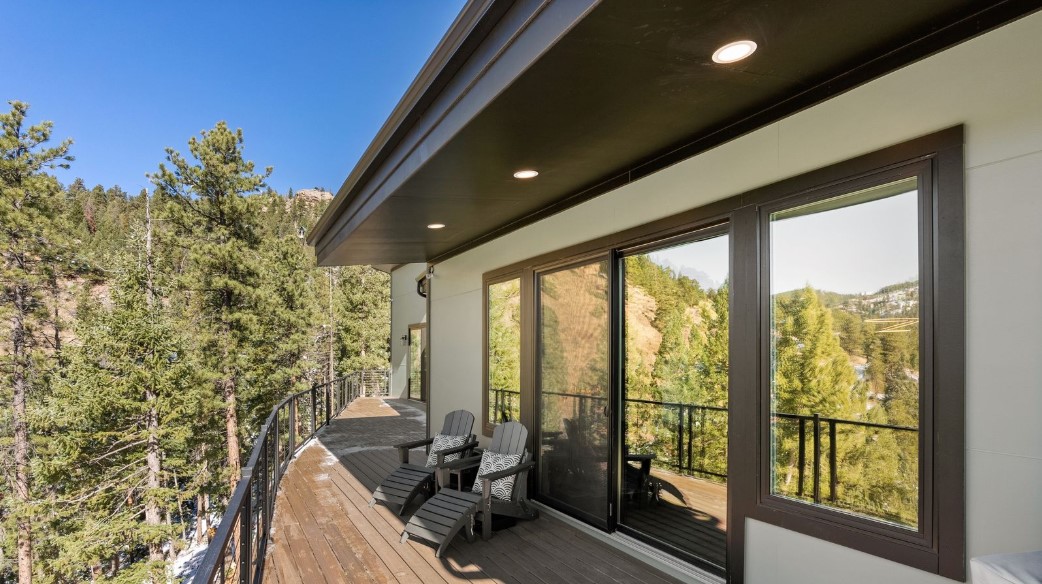
Colorado’s natural beauty encourages people to spend time outdoors. Yet many older homes were not designed to fully connect interior living spaces with the surrounding environment.
Strategic remodeling can strengthen this connection.
By rethinking how indoor and outdoor areas interact, homeowners can extend their living space beyond the walls of the house.
Popular upgrades include:
- Expanding patios or decks
- Installing large sliding or folding doors
- Creating covered outdoor living areas
- Adding outdoor kitchens or dining spaces
- Improving landscaping to support outdoor gatherings
These changes allow homeowners to enjoy Colorado’s climate while also increasing the versatility of their home.
When indoor and outdoor areas flow naturally together, the entire property begins to feel larger and more dynamic.
Modernizing Infrastructure and Systems
Beyond visual upgrades, remodeling provides an opportunity to improve the hidden systems that support the home.
Many older homes still rely on outdated electrical, plumbing, and mechanical systems. While these systems may still function, they were not designed to support the demands of modern life.
Remodeling allows homeowners to address these issues proactively.
Upgrades might include:
- Updated electrical panels
- Improved insulation
- Energy efficient windows
- Modern HVAC systems
- Smart home technology integration
These improvements may not always be visible, but they contribute significantly to comfort, safety, and long-term reliability.
A well-executed remodel focuses on both the visible and invisible elements of the home.
Preserving Character While Updating Function
One of the most important aspects of remodeling older homes is preserving their unique character.
Many Denver homes feature architectural details that give them personality. Original woodwork, stone fireplaces, unique rooflines, and handcrafted elements all contribute to the identity of the property.
A thoughtful remodel does not erase these features. Instead, it highlights them while improving how the home functions.
Design decisions often balance modern improvements with respect for the original structure.
For example:
- Original hardwood floors may be refinished rather than replaced
- Historic trim details may be restored
- Stone fireplaces may become focal points within updated living areas
- Architectural elements may guide the design of new additions
When handled carefully, remodeling can strengthen the character of a home rather than diminish it.
The result is a space that feels both timeless and modern.
Planning for the Future
Another benefit of strategic remodeling is the ability to design for long-term living.
Homeowners often approach remodeling with immediate needs in mind, but thoughtful planning can ensure the home remains functional for years to come.
Future-focused design considerations may include:
- Flexible living spaces that adapt over time
- Guest suites that can accommodate extended family
- Home offices that support remote work
- Layouts that allow aging in place
- Durable materials that stand up to daily use
When remodeling is approached with a long-term mindset, the investment continues to deliver value long after construction is complete.
The Importance of Strategic Planning
Unlocking the potential of an older home requires more than simply replacing finishes or installing new fixtures.
Successful remodeling projects begin with a clear strategy.
This process typically involves:
- Understanding how homeowners use their space
- Identifying structural opportunities and limitations
- Prioritizing improvements that deliver the greatest impact
- Coordinating design and construction decisions carefully
Experienced builders play an important role in guiding homeowners through this process.
By evaluating the home as a whole rather than focusing on isolated rooms, it becomes possible to identify opportunities that may not be obvious at first glance.
Strategic planning ensures that each improvement contributes to a larger vision for the home.
Why Experience Matters in Complex Remodels
Remodeling older homes often presents unique challenges.
Hidden structural elements, aging infrastructure, and unexpected discoveries during construction require careful problem solving.
This is where experience becomes essential.
An experienced remodeling team understands how to navigate these complexities while maintaining quality and efficiency. They know how to evaluate structural systems, coordinate skilled trades, and manage the many moving parts of a renovation.
More importantly, they understand how to balance creativity with practicality.
The goal is not simply to build something new. It is to transform an existing structure in a way that feels cohesive, functional, and durable.
Seeing the Possibilities
One of the most exciting aspects of remodeling is the moment when homeowners begin to see the possibilities within their space.
What once felt limiting begins to reveal new opportunities.
A wall that once divided rooms becomes an open gathering area. A dark corner becomes a bright reading nook. An unfinished basement becomes a welcoming guest suite.
The transformation is not only physical. It also changes how homeowners experience their daily routines.
Spaces become easier to use. Rooms feel more comfortable. The home begins to reflect the way people truly live.
Unlocking the Full Potential of Your Home
Older Denver homes hold tremendous potential.
With the right vision and a thoughtful remodeling strategy, these properties can evolve into modern, highly functional living spaces while preserving the character that makes them special.
For homeowners who love their neighborhood but feel constrained by their current layout, remodeling offers a powerful alternative to moving.
It allows families to build upon the foundation they already have while creating a home that better supports their lifestyle.
When approached with care, experience, and strategic planning, a remodel does more than update a home.
It unlocks its full potential.