

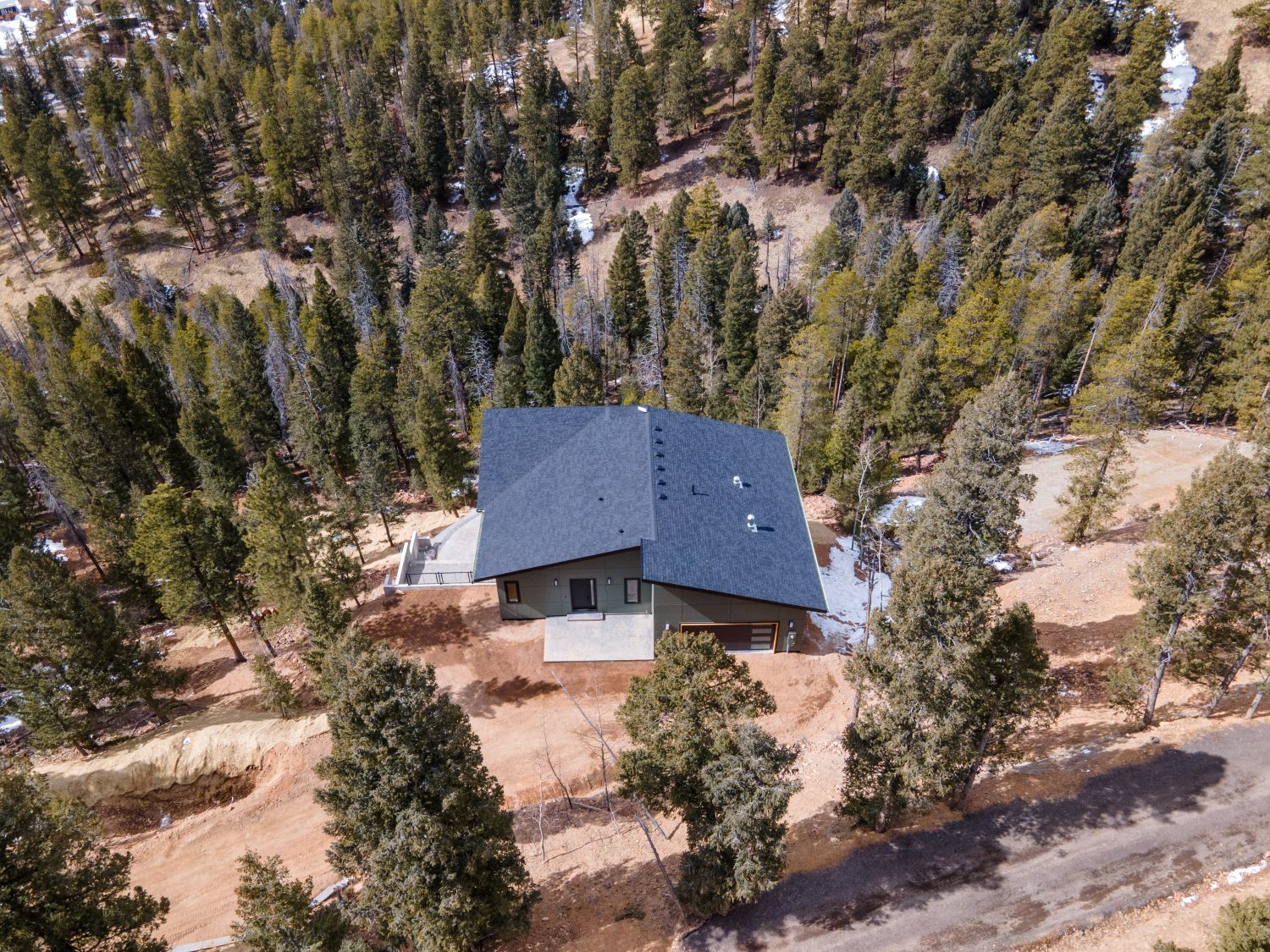
At some point, many homeowners in Denver face a major decision.
Do you invest in remodeling your current home, or do you move into something new?
On the surface, the answer may seem straightforward. If your home no longer fits your needs, moving feels like the natural next step. But in today’s market, the decision is far more complex, especially for high-end homeowners.
Denver’s real estate landscape, combined with rising construction costs and limited inventory in desirable areas, has made this a strategic choice rather than a simple one.
For many homeowners, remodeling is no longer just about upgrading a space. It is about preserving location, maximizing investment, and creating a home that truly aligns with how they want to live.
This guide will walk through the key factors to consider so you can make a confident and informed decision.
Why This Decision Matters More in Denver
Denver is not just any housing market.
Neighborhoods, lot value, views, and proximity to lifestyle amenities all play a significant role in home value. In many cases, the land itself is just as valuable as the home on it.
That means moving is not simply about upgrading square footage or finishes. It often involves trade-offs such as:
- Leaving a desirable neighborhood
- Losing mountain views or mature landscaping
- Moving farther from work, schools, or social networks
At the same time, buying a new home does not always guarantee a better layout or higher-quality construction.
This is why many high-end homeowners in Denver are choosing to remodel instead of move.
When Remodeling Makes More Sense
There are many scenarios where remodeling your current home is the smarter decision.
1. You Love Your Location
Location is one of the most valuable aspects of any home, especially in Denver.
If you are in a neighborhood with strong long-term value, good schools, and convenient access to the city or mountains, moving may mean sacrificing what you already have.
Remodeling allows you to upgrade your home without giving up your location.
This is particularly important in established neighborhoods where homes may be older but sit on highly desirable lots.
2. The Structure Is Solid, but the Layout Is Not
Many homes, especially those built decades ago, have good bones but outdated layouts.
Common issues include:
- Closed-off floor plans
- Smaller kitchens
- Limited natural light
- Underutilized space
These are problems that can often be solved through strategic remodeling.
Opening walls, reconfiguring rooms, and improving flow can completely transform how a home feels without starting from scratch.
In many cases, these changes deliver a result that is better tailored to your needs than buying another home.
3. You Want a Truly Custom Result
When you purchase a home, you are buying someone else’s vision.
Even in high-end homes, there are often compromises.
Remodeling gives you the opportunity to create a space that is designed specifically for your lifestyle.
This can include:
- A kitchen built around how you cook and entertain
- A primary suite that feels like a private retreat
- Dedicated spaces for work, fitness, or hobbies
- Seamless indoor-outdoor living areas
For homeowners who value personalization, remodeling offers a level of control that moving simply cannot match.
4. Inventory Does Not Meet Your Standards
In many Denver neighborhoods, high-quality inventory is limited.
Homes that appear move-in ready may still require significant updates, especially if they were built with builder-grade materials or outdated design choices.
In some cases, homeowners end up buying a new house only to remodel it anyway.
If you are already considering updates after a purchase, it may make more sense to invest that budget into your current home instead.
5. Financially, It Makes More Sense
While remodeling is a significant investment, moving comes with its own set of costs.
These can include:
- Realtor commissions
- Closing costs
- Moving expenses
- Potential renovations in the new home
- Higher property taxes
In addition, interest rates and market conditions can impact affordability.
For many homeowners, remodeling allows them to stay in a home they already own while investing directly into its value.
When Moving Might Be the Better Option
Remodeling is not always the right choice.
There are situations where moving is the more practical solution.
1. The Location No Longer Works
If your current location no longer fits your lifestyle, remodeling will not solve that problem.
Examples include:
- Long commutes
- Lack of nearby amenities
- Changing school needs
- Desire for a different environment or setting
In these cases, moving may be the better path.
2. The Home Has Significant Structural Limitations
Some homes have constraints that make remodeling difficult or cost-prohibitive.
This can include:
- Limited lot size
- Structural challenges
- Zoning restrictions
- Layouts that cannot be easily reconfigured
If achieving your vision would require extreme changes, it may not be worth the investment.
3. You Need More Space Than the Property Allows
If your needs have outgrown your home in a way that cannot be addressed through additions or reconfiguration, moving may be necessary.
For example:
- A growing family that requires significantly more bedrooms
- The need for larger outdoor space
- Desire for features that cannot be added to the current property
In these cases, starting fresh may be the better option.
4. You Are Looking for a Lifestyle Shift
Sometimes, the decision is not just about the house.
It is about lifestyle.
You may want:
- A different type of neighborhood
- A newer community with specific amenities
- A change in pace or environment
These are factors that remodeling cannot address.
The Hidden Costs of Moving vs. Remodeling
One of the biggest misconceptions is that moving is the easier or more straightforward option.
In reality, both paths come with hidden costs.
Moving Costs
Beyond the purchase price of a new home, moving often includes:
- Agent commissions
- Closing costs
- Inspection and appraisal fees
- Moving services
- Immediate upgrades or repairs
These costs can add up quickly and are often underestimated.
Remodeling Costs
Remodeling also comes with considerations such as:
- Construction timelines
- Temporary disruption to your daily life
- Design and planning costs
- Potential unforeseen conditions in older homes
However, these costs are typically invested directly into improving your current property.
Preserving Location vs. Upgrading Lifestyle
One of the most important trade-offs in this decision is balancing location with lifestyle.
Remodeling allows you to preserve your current location while upgrading your home.
Moving allows you to change your location but may require compromises in the home itself.
In Denver, where location plays such a significant role in long-term value, this is a critical factor.
For many homeowners, staying in a desirable area and investing in the home itself provides the best of both worlds.
Real-World Scenarios
To better understand this decision, consider a few common scenarios.
Scenario 1: Older Home in a Prime Neighborhood
You own a home in a well-established Denver neighborhood with great access to the city and strong property values.
The home itself feels outdated, with a closed-off layout and limited natural light.
In this case, remodeling is often the better choice.
Upgrading the layout, improving flow, and enhancing finishes can significantly increase both livability and value.
Scenario 2: Growing Family Needing More Space
Your current home no longer meets your space needs, and expanding is not feasible due to lot size or zoning.
Here, moving may make more sense.
Finding a property that meets your size requirements can provide a better long-term solution.
Scenario 3: High-End Buyer Seeking Perfection
You are considering purchasing a new home but cannot find one that meets your standards without compromise.
In this case, remodeling your current home allows you to create exactly what you want.
How to Make the Right Decision
Ultimately, the decision between remodeling and moving comes down to your priorities.
Ask yourself:
- Do I value my current location?
- Can my home be transformed to meet my needs?
- Am I willing to go through the remodeling process?
- What compromises would I face if I moved?
There is no one-size-fits-all answer.
However, taking the time to evaluate these factors will help you make a decision that aligns with both your lifestyle and your investment goals.
Final Thoughts
For high-end homeowners in Denver, the decision to remodel or move is not just about upgrading a home.
It is about making a strategic investment in how you live.
Remodeling offers the opportunity to stay in a location you love while creating a space tailored to your needs.
Moving offers a fresh start but often comes with trade-offs.
The key is understanding what matters most to you and making a decision that supports both your present and your future.
If you are considering a remodel, working with an experienced team can help you evaluate your options and determine what is truly possible within your current home.
In many cases, the home you already have may have more potential than you think.